








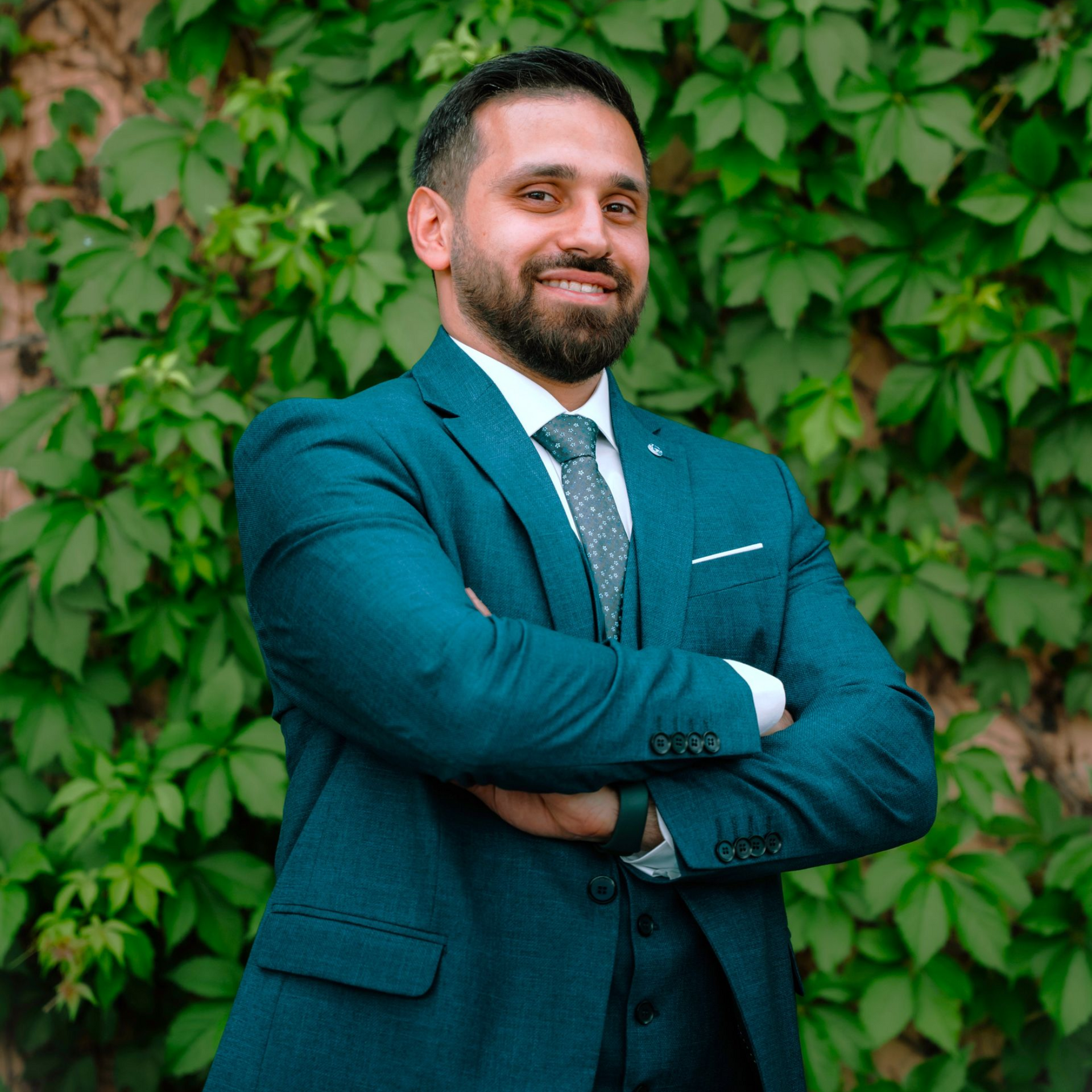
Mohamad-Ali Salloum is a Pharmacist and science writer. He loves simplifying science to the general public and healthcare students through words and illustrations. When he's not working, you can usually find him in the gym, reading a book, or learning a new skill.
Managing Stress and Anxiety During War
Mohamad-Ali Salloum, PharmD • October 6, 2024
Share
War and conflict can significantly impact mental health, leading to increased levels of stress and anxiety. Effective management strategies are essential to cope with these challenges and maintain well-being.
Strategies for Managing Stress and Anxiety
1.Limit Media Exposure
Reducing the amount of time spent consuming news about the conflict can help decrease anxiety levels. Constant exposure to distressing news can exacerbate stress and create a cycle of anxiety.
- Feasibility: High. Limiting media exposure is a practical step that can be easily implemented by setting specific times for checking news and avoiding it before bedtime.
- Suitability: Suitable for most individuals, especially those who find themselves overwhelmed by constant updates.
2. Reach Out to Others
Connecting with friends, family, or support groups can provide emotional support and reduce feelings of isolation. Sharing experiences and feelings can help alleviate stress.
- Feasibility: High. Most people have access to some form of communication, whether in person or through digital means.
3. Maintain a Healthy Routine
Keeping a regular schedule for eating, sleeping, and exercising can help maintain a sense of normalcy and control. Physical activity, in particular, is known to reduce stress and improve mood.
- Feasibility: Moderate to high. While maintaining a routine can be challenging during conflict, even small efforts to stick to regular habits can be beneficial.
- Suitability: Suitable for most individuals, though those in highly unstable environments may need to adapt their routines.
4. Practice Mindfulness and Relaxation Techniques
Techniques such as deep breathing, meditation, and progressive muscle relaxation can help reduce stress and anxiety. These practices promote relaxation and can be done anywhere.
Deep Breathing Exercises: it involves taking slow, deep breaths to help calm the nervous system. This can be done anywhere and at any time. Try the 4-7-8 technique: Inhale for 4 seconds, hold the breath for 7 seconds, and exhale slowly for 8 seconds.
Progressive Muscle Relaxation (PMR): It involves tensing and then slowly releasing each muscle group in the body. This helps reduce physical tension and promote relaxation. Start with your toes and work your way up to your head, tensing each muscle group for 5-10 seconds before releasing.
Mindfulness Meditation: This practice involves focusing on the present moment without judgment. It can help reduce stress and improve emotional regulation. Sit quietly and focus on your breathing, noticing each inhale and exhale. When your mind wanders, gently bring your focus back to your breath.
Body Scan Meditation: This technique involves mentally scanning your body from head to toe, paying attention to any sensations of tension or discomfort. Lie down or sit comfortably, close your eyes, and slowly bring your attention to each part of your body, starting from your toes and moving up to your head.
- Feasibility: High. These techniques require minimal resources and can be practiced in various settings.
- Suitability: Suitable for most individuals, though it may take some practice to see significant benefits.
5. Seek Professional Help
Consulting with mental health professionals, such as psychologists or counselors, can provide tailored strategies and support for managing stress and anxiety.
- Feasibility: Variable. Access to professional help may be limited in conflict zones, but telehealth services can be an alternative.
- Suitability: Highly suitable for individuals experiencing severe anxiety or those who have pre-existing mental health conditions.
Conclusion
Managing stress and anxiety during war involves a combination of limiting media exposure, seeking social support, maintaining a healthy routine, practicing mindfulness, and seeking professional help when necessary. These strategies can help individuals cope with the psychological impact of conflict and maintain their mental health.
REFERENCES:
- Harvard Health. War anxiety: How to cope. Available from: https://www.health.harvard.edu/blog/war-anxiety-how-to-cope-202205232748
- WebMD. How to Handle War Anxiety. Available from: https://www.webmd.com/mental-health/how-to-handle-war-anxiety
- Wheeler Clinic. How to Manage Wartime Stress and Anxiety. Available from: https://www.wheelerclinic.org/news/how-manage-wartime-stress-and-anxiety
- GoodTherapy. How Mindfulness Helps Soldiers Before and After Combat. Available from: https://www.goodtherapy.org/blog/how-mindfulness-helps-soldiers-before-and-after-combat-1127154
- The Mindful Word. Mindfulness for Veterans: 6 helpful exercises to explore. Available from: https://www.themindfulword.org/mindfulness-for-veterans/
- Veterans Affairs. Mindfulness and Relaxation Resources for Veterans. Available from: https://www.veteranshealthlibrary.va.gov/HealthyLiving/Stress/Mindfulness/142,85190_VA
- Mayo Clinic. Relaxation techniques: Try these steps to lower stress. Available from: https://www.mayoclinic.org/healthy-lifestyle/stress-management/in-depth/relaxation-technique/art-20045368
List of Services
ABOUT THE AUTHOR
Mohamad-Ali Salloum, PharmD
Share
Recent articles:

Discover how busy professionals can optimize their home office to support physical activity, reduce prolonged sitting, boost productivity, and improve long-term health using evidence-based strategies, movement-friendly workspace design, exercise snacks, walking meetings, and practical fitness habits.

Discover the neuroscience of impulse control and how mindfulness can help you pause before reacting. Learn how a small break can reduce impulsive decisions, strengthen self-control, and improve emotional regulation using evidence-based psychological strategies.

th, time management, and a strong identity beyond work. Discover practical strategies to prevent burnout and create sustainable long-term well-being.
Discover how boundaries, autonomy, workload control, and digital disconnection reduce stress, improve recovery, and prevent burnout.
Learn how to recover from burnout by rewiring your brain and nervous system. Discover science-backed techniques including breathwork, mindfulness, exercise, cognitive restructuring, psychological flexibility, and motivation rebuilding.
Learn the science of recovery, why scrolling isn't rest, how sleep repairs the brain, and why weekends alone don't cure burnout.
Burnout is more than stress. Learn how chronic burnout impacts mental health, heart health, immunity, cognition, and overall well-being.
Burnout doesn’t happen overnight. Learn the early warning signs—mental, physical, and behavioral—so you can catch burnout before it takes control.
Feeling exhausted but work isn’t the problem? Learn how life burnout happens and why your daily responsibilities may be draining you.
Think burnout is just stress? Discover how your thoughts, habits, and mindset may be silently driving your exhaustion.