



Pharmacology
Learn how ACE inhibitors and potassium supplements can silently cause hyperkalemia and fatal arrhythmias.
The deadly combo of Alcohol and Paracetamol!!

A clear, engaging walkthrough of fentanyl’s pharmacokinetics and pharmacodynamics—from administration to metabolism and excretion—designed for pharmacy and medical students, with visuals, summaries, and an interactive quiz.
Understand Aspirin easily with this blog post.

Learn about Buprenorphine, the strong gripper, but weak pusher 😅
References : American Chemical Society. Tramadol – Molecule of the Week Archive. December 16, 2014. [acs.org] DEA Diversion Control Division. Tramadol Drug & Chemical Evaluation Section Report. April 2025. [deadiversi....usdoj.gov] Grond S, Sablotzki A. Clinical pharmacology of tramadol. Clin Pharmacokinet. 2004;43(13):879‑923. [go.drugbank.com] Food and Drug Administration (FDA). ULTRAM® (tramadol hydrochloride) tablets label. 2004. [accessdata.fda.gov] Nickson C. Tramadol – CCC Pharmacology. Life in the Fast Lane ; 2024. [litfl.com] DrugBank Online. Tramadol: Uses, Interactions, Mechanism of Action. DB00193. [go.drugbank.com] Food and Drug Administration (FDA). Tramadol Hydrochloride Tablets (DailyMed). 2023. [dailymed.nlm.nih.gov] Dean L. Tramadol Therapy and CYP2D6 Genotype. Medical Genetics Summaries . 2015. [ncbi.nlm.nih.gov] Food and Drug Administration (FDA). Tramadol ER Capsules Label Information. 2010. [accessdata.fda.gov] EBM Consult. Mechanism for Tramadol‑Induced Serotonin Syndrome in Patients Taking SSRIs. 2017. Medsafe Pharmacovigilance. Serious Reactions with Tramadol: Seizures and Serotonin Syndrome. 2007. Hassamal S, Miotto K, Dale W, Danovitch I. Tramadol: Understanding the Risk of Serotonin Syndrome and Seizures. Am J Med. 2018;131(11):1382.e1–6. Medscape Reference. Ultram, ConZip (tramadol) dosing, indications, interactions. 2026.
The U.S. Food and Drug Administration (FDA) plays a crucial role in ensuring the safety and efficacy of medications. Despite rigorous testing, some drugs are recalled post-approval due to unforeseen adverse effects. This essay explores ten such medications, detailing the reasons behind their recalls.
Anaphylaxis is a severe, life-threatening allergic reaction that can occur rapidly, requiring immediate medical intervention. Traditionally, epinephrine autoinjectors have been the standard of care for such emergencies. However, the recent approval by the U.S. Food and Drug Administration (FDA) of a novel nasal spray, named neffy, marks a significant milestone in the management of anaphylactic reactions
Understanding Pharmacogenomics: The world of pharmacology is continually evolving, and one of the most exciting frontiers is Pharmacogenomics. Usually, we treat patients based on their clinical characteristics. But with pharmacogenomics, we take into consideration the genetic variability of drug metabolism and response within each person. This allows us to exactly treat what the patient is suffering from, and at the same time reduce some of the unwanted side effects in some cases.
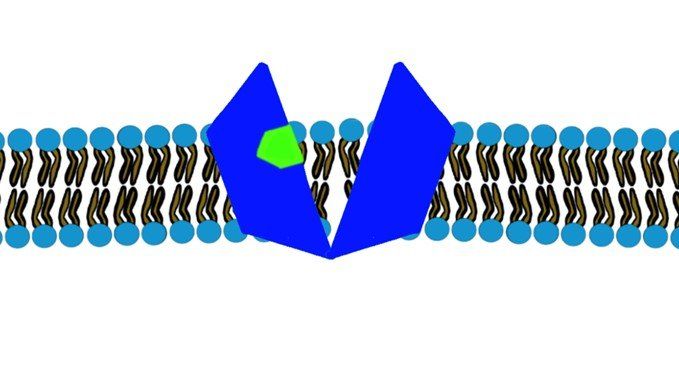
Have you ever wondered how medicines reach their target? For example, how paracetamol goes from the guts in the digestive system to the brain passing through a lot of membranes and which are considered intact and impermeable to a lot of substances. Or how does oxygen pass from the air in the lungs into our bloodstream and then finally into the tissues and cells? One keyword can answer these questions: Transporters, ...well actually sometimes it doesn’t require a transporter. To know how this happens, First, let’s discuss the membranes. Cell membranes have two key characteristics: 1) Semi-permeability , where only certain materials may freely cross – large and charged substances are typically blocked. 2) Selectivity , where membrane proteins regulate the passage of material that cannot freely cross. These membrane proteins are called transporters. Thus, the passage of molecules and substances across a biological membrane may occur either passively or actively. 1) Passive Transport This type of transport is the most common mechanism of absorption for drugs. It is the passage of molecules from a high concentration location to a low concentration location (along the concentration gradient). This is just simply how nature works. And this happens so easily that it does not need the energy to do it. Thus, NO ATP hydrolysis is required. And that’s why it’s called “passive”. OKAY, Mohamad-Ali…. we now understand that no energy is needed, but how do molecules go from one side to another? a) Simple diffusion: Since the core of the cellular membrane is lipophilic (Figure.1), thus, any lipophilic molecule (like ciprofloxacin) will have no problem just diffusing through the membrane without any effort. The same happens with very small molecules like O 2 and CO 2.