






Mohamad-Ali Salloum is a Pharmacist and science writer. He loves simplifying science to the general public and healthcare students through words and illustrations. When he's not working, you can usually find him in the gym, reading a book, or learning a new skill.
Detox from social media: 1-month Report
Mohamad Ali Salloum, PharmD • November 25, 2022
Share
In October 2022, I deleted all my social media accounts (except for YouTube and LinkedIn). I realized how much social media can take from our time without us even noticing it. It’s not just the time that it’s taking from us. It’s also our attention, willpower, happiness, contentment, and a lot of other things.
I did a video a month ago to announce this, you can watch it HERE…
AND TODAY is the monthly report time :D
The first week, I felt like the background noise that I did not notice I had earlier is quiet now. You just feel peace of mind. You might tell me that you can control yourself and not scroll through these apps. But once you uninstall them, you will know what I am talking about.
Feeling peaceful was not the only advantage, but also my sleep schedule became better and even my quality of sleep became better. (it’s also proved in research, read this article: Social media use in adolescence is associated with poor sleep quality, anxiety, depression, and low self-esteem)1
For work, this month was the busiest one I’ve ever had. I will not be able to disclose anything, but it was SURELY one of the busiest months.
And during this month, I was able to shoot around 7 videos and edit them. Not just that, I was able to draft more than 25 articles. Those articles yet need to be finalized, but to know the magnitude of this achievement for me, the maximum number of articles I've written in 1 month is 5 articles. When I finish these articles, you can read them on my website/blog.
As humans are programmed, we are always in a state of comparing. In terms of social media, we are very good at comparing ourselves with the people we follow on social media platforms. When you see people living their lives, traveling the world, while making 6 figures, you start wondering where your life went wrong. Why NOT ME?
This is a normal human thinking process as we always want the best for ourselves. Comparing is a mechanism used by our brains to calibrate the baseline of where we are in our lives. And this comparing technique can make you work more on yourself when you look up to the correct people (and not to random social media influencers who got famous for random reasons).
BUT, this technique can lead to:
- More Anxiety, because you will feel that you are not achieving anything in life.
- Less Self-Satisfaction, because you will always compare your bank account (in Lebanon it is a home account 😊) with the social media millionaires. It’s not just the money, but also the lifestyle. Like, why you are such a brokie working from 9 to 5 job (sometimes even more) to just have a salary that will vanish before the end of the month. Not to mention that you need to do a whole year saving for a 1-week vacation. Quite frustrating, right?
Scrolling through these addictive platforms will also drain your energy. The science behind this is that going through social media will expose your brain to different types of emotions as different types of posts will appear on your page. These posts, reels, or TikTok videos will acutely change your mood from laughter to sadness, hope to hopelessness, and a lot of other emotions.
This rollercoaster of emotions will drain your energy and once you stop scrolling (after like an hour) and get back to reality, you will feel that you have no energy to work or are not enthusiastic to do anything.
Regarding sports, because I had better sleep and was able to re-establish my sleep pattern, I had more energy during the day, and I exploited this energy in doing sports.
For example, I started to learn calisthenics to enhance my core strength and started doing more cardio.
So briefly speaking, when I started to consume less internet content, I started to create and produce more content. Not only that, but it also reflected on other aspects of my life (sleep, energy, and sports). This gives you a real sense of satisfaction and happiness!! (not like the fake dopamine you get from social media)
This was the brief of my first month!
I wish many of you who are reading this are motivated enough to start the journey alongside me.
I know all of you have some dreams to accomplish but are not able to start from anywhere. By enhancing your lifestyle and arranging your time throughout the day, you will be able to start working on your dreams.
Working on your dreams will give you more sense of fulfillment in life and contentment. You will feel satisfied and not just go through life passively. AND THIS IS THE BEST FEELING YOU WILL EVER FEEL.
I’m ready to hear all your success stories and how following this lifestyle changed your life for the better! You can connect with me through this link: https://dopaproductions.com/contact-us
Meet you guys in the 2nd monthly progress article :D
You can also watch the video I did about my 1-month progress after the Social Media Detox.
Resources:
1) Woods HC, Scott H. #Sleepyteens: Social media use in adolescence is associated with poor sleep quality, anxiety, depression and low self-esteem. J Adolesc. 2016 Aug;51:41-9. doi: 10.1016/j.adolescence.2016.05.008. Epub 2016 Jun 10. PMID: 27294324.
List of Services
ABOUT THE AUTHOR
Mohamad-Ali Salloum, PharmD
Share
Recent articles:
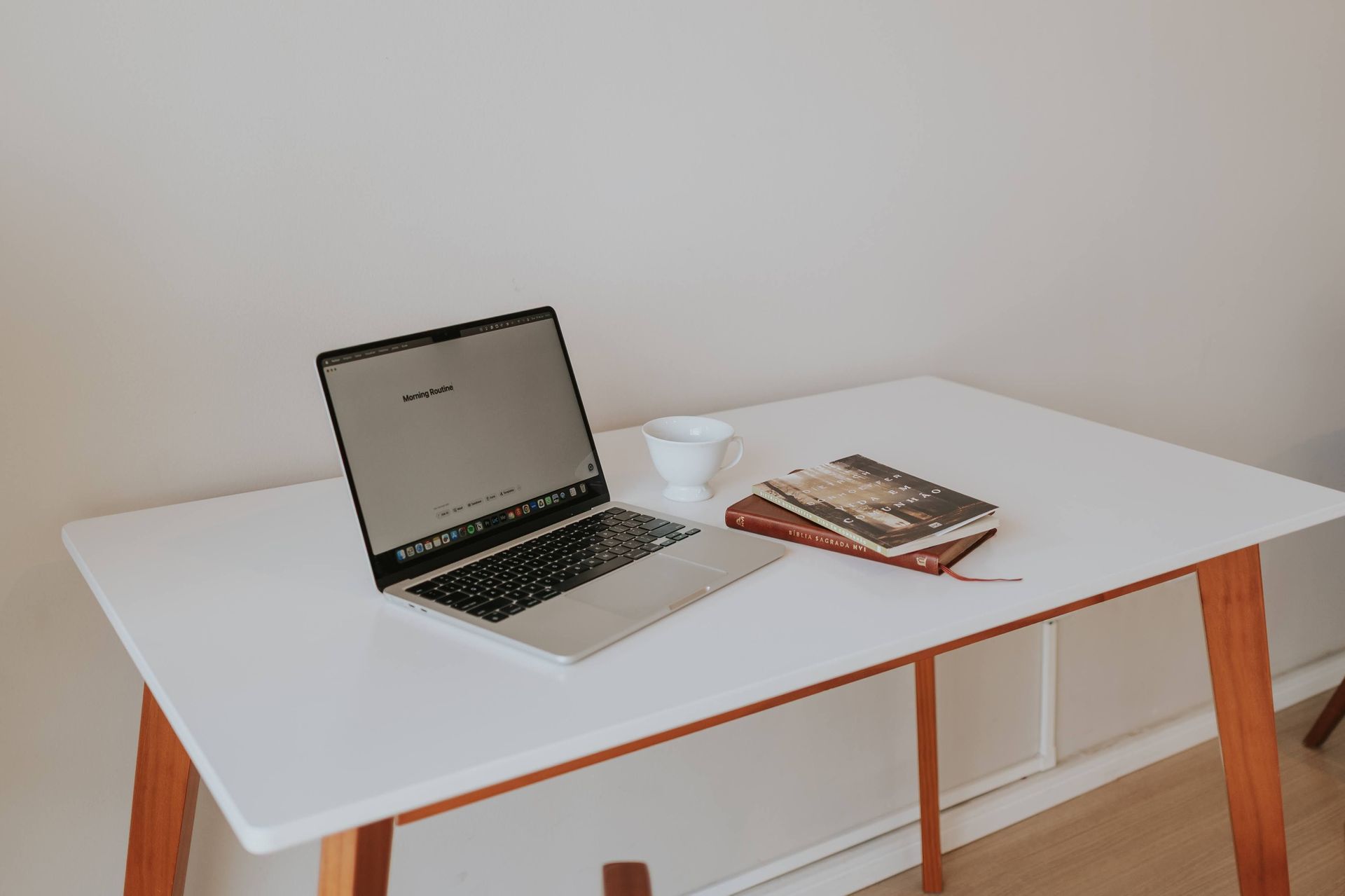
Discover how busy professionals can optimize their home office to support physical activity, reduce prolonged sitting, boost productivity, and improve long-term health using evidence-based strategies, movement-friendly workspace design, exercise snacks, walking meetings, and practical fitness habits.

Discover the neuroscience of impulse control and how mindfulness can help you pause before reacting. Learn how a small break can reduce impulsive decisions, strengthen self-control, and improve emotional regulation using evidence-based psychological strategies.
th, time management, and a strong identity beyond work. Discover practical strategies to prevent burnout and create sustainable long-term well-being.
Discover how boundaries, autonomy, workload control, and digital disconnection reduce stress, improve recovery, and prevent burnout.
Learn how to recover from burnout by rewiring your brain and nervous system. Discover science-backed techniques including breathwork, mindfulness, exercise, cognitive restructuring, psychological flexibility, and motivation rebuilding.
Learn the science of recovery, why scrolling isn't rest, how sleep repairs the brain, and why weekends alone don't cure burnout.
Burnout is more than stress. Learn how chronic burnout impacts mental health, heart health, immunity, cognition, and overall well-being.
Burnout doesn’t happen overnight. Learn the early warning signs—mental, physical, and behavioral—so you can catch burnout before it takes control.
Feeling exhausted but work isn’t the problem? Learn how life burnout happens and why your daily responsibilities may be draining you.
Think burnout is just stress? Discover how your thoughts, habits, and mindset may be silently driving your exhaustion.