




Is our energy finite? Or can we summon energy as much as we want?

Mohamad-Ali Salloum, PharmD • September 11, 2024

Share

  • Slide title

    Write your caption here
    Button
  • Slide title

    Write your caption here
    Button
  • Slide title

    Write your caption here
    Button
  • Slide title

    Write your caption here
    Button

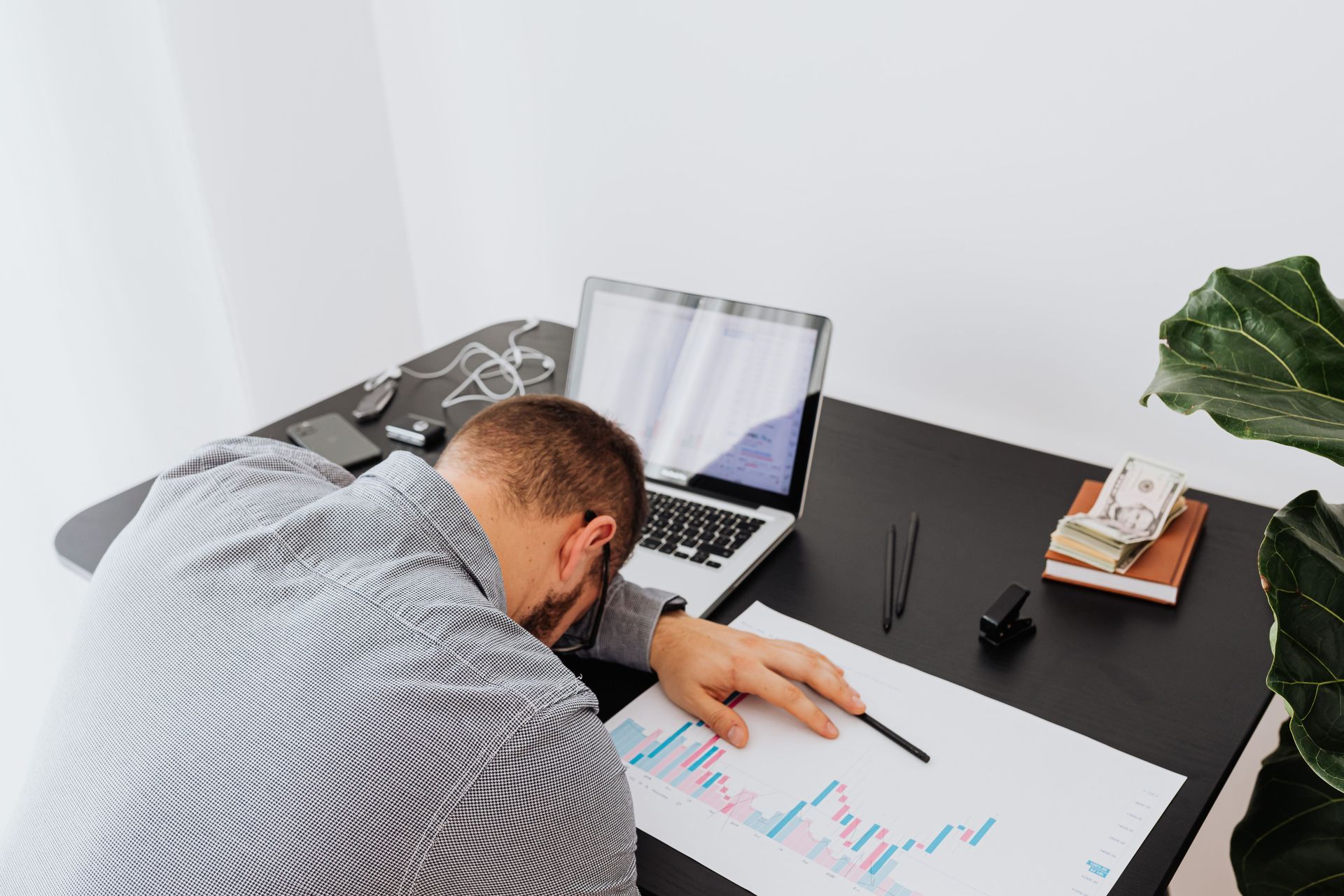
I’ve always thought that our energy is limited (due to the physical laws of thermodynamics, where it states that energy is neither created nor destroyed, it’s only transformed) and that when we work around 10 hectic hours a day, there’s nothing to do more than go home, eat, watch some tiktoks/reels, and then sleep. I know that our bodies and minds can feel depleted after long periods of exertion, but this feeling is not always an indicator that we are out of energy.


Little by little, I am now convinced with the contrary to this theory. It’s not that our energy is finite, but what we can really do is to refresh ourselves to access the energy in us that we always had but never used.


Imagine your energy is 100%/day. All your life, you thought that you were using 90-95% of your energy by going to school and then studying after-school, or during the collage days, or even when you started working. The most hectic phase is the work phase, where you are now stuck in adulthood and you have no escape. But this phase will be the best one if you knew how to play it.


You are actually using only 50% of your true energy. (ps: I made up this percentage… but let me explain)


Now as I am writing this article, I was work-travelling, I woke up today at 4 am, worked on some urgent tasks before going to the hospital, went to the hospital at 8 am and then worked till 6:30 pm.

Then I went to the hotel, took a 1-hour rest. And now I am eating lunch and writing this article.


When I reached the hotel, I was tired as f**k. I just wanted to take a shower and then sleep, but then I remembered something that always motivated me. (I heard David Goggins talk about it in a Podcast)


Imagine when you die, the angels at the gates go through a list of your traits and qualities that you had during your lifetime, and they mention a top tier qualities that you’ve never imagined you will ever have or even mention accomplishments you’ve never thought that you would achieve something near to them. You tell them that they are describing someone else, and this person is not you. They reply to you that this person is the one you would have been if you worked enough on yourself.


CHILLS.


Imagine not being able to be the best version of yourself, just because you didn’t choose to…you always have the choice, but somehow you find an excuse to not do anything to make yourself better. Or even convince yourself that sending some emails or doing some tasks during the work day is enough to make you excel or reach this version of yourself.


So i got up, feeling a whole new energy in me (although I didn’t sleep). I went outside of the hotel to the nearest restaurant, and now i’m finishing this article.


After that I will continue working on my Running V-log project that I am currently working on. Step by Step.


But the most important thing is to know that you will reach what you want one day if you make enough effort to accomplish it and make less excuses to run from it. The key takeaway is that while our physical energy might have limits, our mental and emotional energy can be optimized through various strategies. By adopting a proactive approach to energy management and changing your perspective of how you see things, you can unlock your full potential and achieve greater productivity and fulfillment.


List of Services

    • Slide title

      Write your caption here
      Button
    • Slide title

      Write your caption here
      Button
    • Slide title

      Write your caption here
      Button
    • Slide title

      Write your caption here
      Button

    ABOUT THE AUTHOR

    Mohamad-Ali Salloum, PharmD
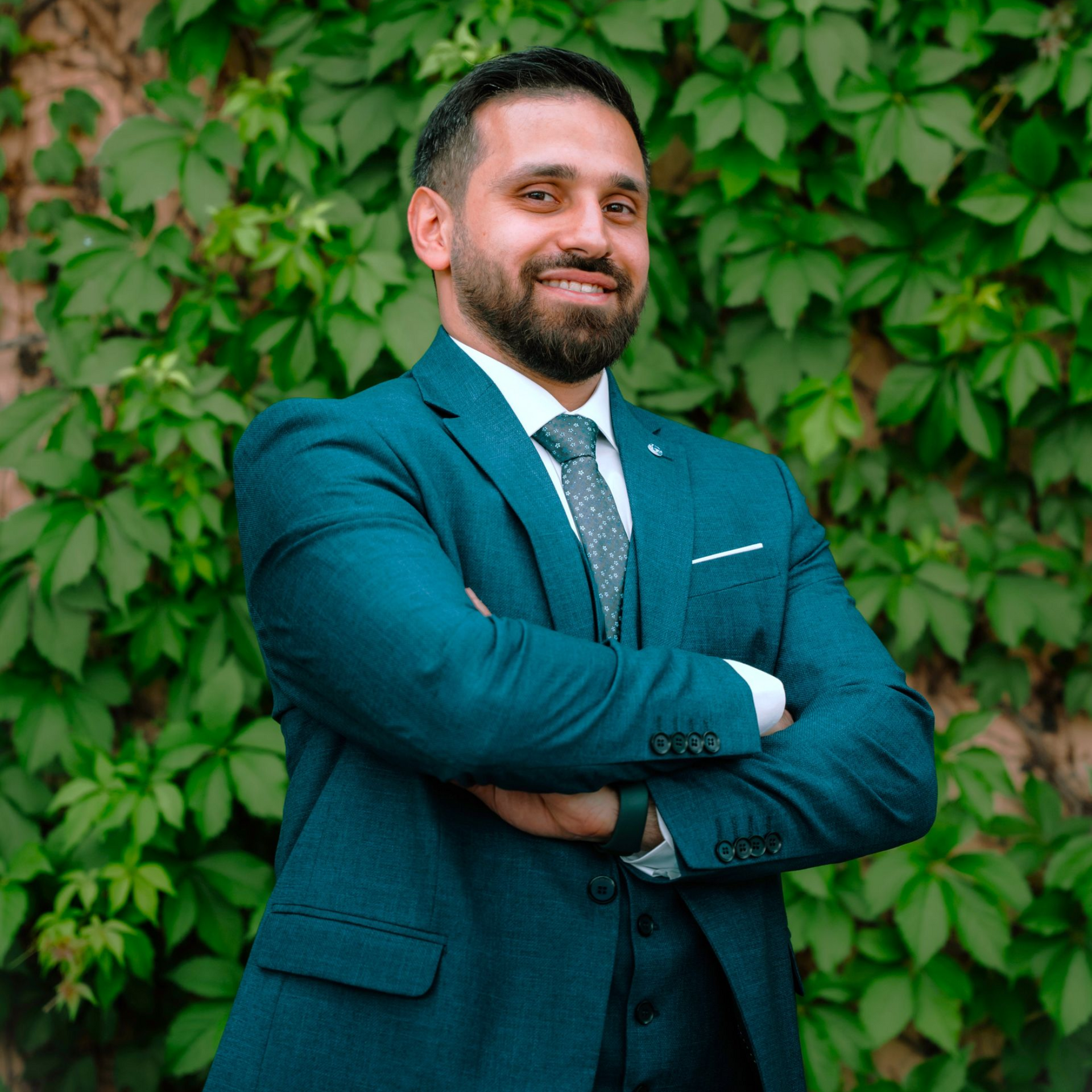
    Mohamad Ali Salloum LinkedIn Profile

    Mohamad-Ali Salloum is a Pharmacist and science writer. He loves simplifying science to the general public and healthcare students through words and illustrations. When he's not working, you can usually find him in the gym, reading a book, or learning a new skill.

    Share

    Recent articles:

    By Mohamad-Ali Salloum, PharmD January 30, 2026
    References: Gooley JJ, Chamberlain K, Smith KA, et al. Exposure to room light before bedtime suppresses melatonin onset and shortens melatonin duration in humans. J Clin Endocrinol Metab. 2011;96(3):E463‑E472. [academic.oup.com] Chang AM, Aeschbach D, Duffy JF, Czeisler CA. Evening use of light‑emitting eReaders negatively affects sleep, circadian timing, and next‑morning alertness. Proc Natl Acad Sci USA. 2015;112(4):1232‑1237. [hms.harvard.edu] Schöllhorn I, Stefani O, Lucas RJ, et al. Melanopic irradiance defines the impact of evening display light on sleep latency, melatonin and alertness. Commun Biol. 2023;6:1090. [nature.com] He J‑W, Tu Z‑H, Xiao L, Su T, Tang Y‑X. Effect of restricting bedtime mobile phone use on sleep, arousal, mood, and working memory: A randomized pilot trial. PLoS One. 2020;15(2):e0228756. [journals.plos.org] Hartstein LE, Mathew GM, Reichenberger DA, et al. The impact of screen use on sleep health across the lifespan: a National Sleep Foundation consensus statement. Sleep Health. 2024;10(4):373‑384. [sleephealt…ournal.org] Höhn C, Hahn MA, Gruber G, et al. Effects of evening smartphone use on sleep and declarative memory consolidation in male adolescents and young adults. Brain Commun. 2024;6(3):fcae173. Finucane E, O’Brien A, Treweek S, et al. Does reading a book in bed make a difference to sleep? The People’s Trial—an online, pragmatic randomized trial. Trials. 2021;22:873. [link.springer.com] Ong JC, Manber R, Segal Z, Xia Y, Shapiro S, Wyatt JK. A randomized controlled trial of mindfulness meditation for chronic insomnia. Sleep. 2014;37(9):1553‑1563. [academic.oup.com] , [mindfulchair.com] He X, Pan B, Ma N, et al. The association of screen time and the risk of sleep outcomes: a systematic review and meta‑analysis. Front Psychiatry. 2025;16:1640263. Shechter A, Quispe KA, Mizhquiri Barbecho JS, et al. Interventions to reduce short‑wavelength light at night and their effects on sleep: systematic review and meta‑analysis. SLEEP Advances. 2020;1(1):zpaa002. [academic.oup.com]
    By Mohamad-Ali Salloum, PharmD January 29, 2026
    References: Harkin B, Webb TL, Chang BPI, Prestwich A, Conner M, Kellar I, et al. Does monitoring goal progress promote goal attainment? A meta-analysis of the experimental evidence. Psychol Bull . 2016;142(2):198–229. Available from: https://www.apa.org/pubs/journals/releases/bul-bul0000025.pdf Compernolle S, DeSmet A, Poppe L, Crombez G, De Bourdeaudhuij I, Cardon G, et al. Effectiveness of interventions using self-monitoring to reduce sedentary behavior in adults: a systematic review and meta-analysis. Int J Behav Nutr Phys Act . 2019;16(1):63. Available from: https://link.springer.com/article/10.1186/s12966-019-0824-3 Patel ML, Brooks TL, Bennett GG. Consistent self‑monitoring in a commercial app‑based intervention for weight loss: results from a randomized trial. J Behav Med . 2020;43:391–401. Available from: https://link.springer.com/article/10.1007/s10865-019-00091-8 Patel ML, Hopkins CM, Brooks TL, Bennett GG. Comparing self-monitoring strategies for weight loss in a smartphone app: randomized controlled trial. JMIR Mhealth Uhealth . 2019;7(2):e12209. Available from: https://mhealth.jmir.org/2019/2/e12209/ Lally P, Van Jaarsveld CHM, Potts HWW, Wardle J. How are habits formed: Modelling habit formation in the real world. Eur J Soc Psychol . 2010;40(6):998–1009. Available from: https://repositorio.ispa.pt/bitstream/10400.12/3364/1/IJSP_998-1009.pdf Singh B, Murphy A, Maher C, Smith AE. Time to form a habit: A systematic review and meta-analysis of health behaviour habit formation and its determinants. Healthcare (Basel) . 2024;12(23):2488. Available from: https://www.mdpi.com/2227-9032/12/23/2488 Gollwitzer PM, Sheeran P. Implementation intentions and goal achievement: A meta‑analysis of effects and processes. In: Advances in Experimental Social Psychology . 2006;38:69–119. Available from: https://www.researchgate.net/publication/37367696 Adriaanse MA, Gollwitzer PM, De Ridder DTD, De Wit JBF, Kroese FM. Breaking habits with implementation intentions: A test of underlying processes. Pers Soc Psychol Bull . 2011;37(4):502–13. Available from: https://dspace.library.uu.nl/bitstream/handle/1874/380229/0146167211399102.pdf Palmer CA, Bower JL, Cho KW, Clementi MA, Lau S, Oosterhoff B, et al. Sleep loss and emotion: A systematic review and meta-analysis of over 50 years of experimental research. Psychol Bull . 2023;149(11):2314–48. Available from: https://www.apa.org/pubs/journals/releases/bul-bul0000410.pdf Kong Y, Yu B, Guan G, Wang Y, He H. Effects of sleep deprivation on sports performance and perceived exertion in athletes and non-athletes: a systematic review and meta-analysis. Front Physiol . 2025;16:1544286. Available from: https://www.frontiersin.org/journals/physiology/articles/10.3389/fphys.2025.1544286/full Tadros M, Newby JM, Li S, Werner‑Seidler A. Psychological treatments to improve sleep quality in university students: systematic review and meta-analysis. PLoS One . 2025;20(2):e0317125. Available from: https://journals.plos.org/plosone/article?id=10.1371/journal.pone.0317125 Locke EA, Latham GP. Building a practically useful theory of goal setting and task motivation: A 35‑year odyssey. Am Psychol . 2002;57(9):705–17. Available from: https://med.stanford.edu/content/dam/sm/s-spire/documents/PD.locke-and-latham-retrospective_Paper.pdf
    By Mohamad-Ali Salloum, PharmD January 16, 2026
    Reference: ACRP. “ICH E6(R2) to ICH E6(R3) Comparison.” (Jan 28, 2025) — terminology & essential records: PDF Clinical Trials Toolkit. “Summary of Key Changes in ICH E6(R3).” (Mar 25, 2025) — proportionality, QbD, safety reporting: Article PharmaEduCenter. “Key changes between ICH GCP E6 R3 and E6 R2.” (Aug 10, 2025) — structure & glossary: Blog CITI Program. “Navigating the Transition from ICH E6(R2) to ICH E6(R3).” (Mar 12, 2025) — consent & site practices: Blog IntuitionLabs. “ICH E6 (R3) Explained.” (Updated Jan 13, 2026) — rationale, data governance: Deep dive
    By Mohamad-Ali Salloum, PharmD January 16, 2026
    By Mohamad-Ali Salloum, PharmD December 6, 2025
    Simplify your day with essentialism: set priorities, eliminate the non‑essential, time‑block deep work, and measure progress for stress‑free productivity.
    By Mohamad-Ali Salloum, PharmD December 6, 2025
    A runner’s guide to VO₂ max: why plateaus happen and how to fix them with long intervals, tempo, hills, cross‑training and smart periodization.
    By Mohamad-Ali Salloum, PharmD December 3, 2025
    Explore the science of cognitive dissonance and learn how attitude change occurs, why dissonance matters, and what recent brain studies reveal about decision-making and self-control.
    By Mohamad-Ali Salloum, PharmD December 3, 2025
    Discover the science behind willpower and impulse control. Explore Dr. David Lewis’s “zombie brain” model, the ego depletion controversy, glucose myths, and evidence-based strategies like the 3-second pause, mindfulness, and environmental design to build lasting self-control.
    By Mohamad-Ali Salloum, PharmD November 16, 2025
    Explore evidence-based insights into ACE inhibitors, calcium channel blockers, and ARBs for hypertension management.
    By Mohamad-Ali Salloum, PharmD November 15, 2025
    Discover the latest scientific evidence (2022–2025) on Branched-Chain Amino Acids (BCAAs)—their role in muscle recovery, performance enhancement, and safety.
    More Posts