







Mohamad-Ali Salloum is a Pharmacist and science writer. He loves simplifying science to the general public and healthcare students through words and illustrations. When he's not working, you can usually find him in the gym, reading a book, or learning a new skill.
How I Lost Weight by Walking While Working
Mohamad-Ali Salloum, PharmD • May 29, 2026
Share
For years, I believed weight loss required more gym time, stricter diets, or intense workouts squeezed into already busy days.
What ultimately worked for me was far simpler:
👉 Daily walking on a treadmill while working.
This single habit not only contributed to gradual, sustainable weight loss, but also noticeably improved my concentration, mental clarity, and work productivity.
What surprised me most? Science strongly supports this.
⚠️ The Hidden Problem: Sitting Is Not Neutral
Modern work means sitting for 8–10 hours per day.
This is linked to:
- Weight gain
- Type 2 diabetes
- Heart disease
- Higher long-term health risks
Even if you exercise… long sitting hours still affect your body.
In simple terms: a gym session helps—but sitting all day still harms.
🔥 Walking While Working = Hidden Fat Loss
📊 Sitting vs Walking
Let’s simplify it:
- 🪑 Sitting → ~70–80 kcal/hour
- 🚶 Walking → ~180–200 kcal/hour
👉 That’s ~100 extra calories burned per hour… without “working out.”
📈 Why This Adds Up
Small numbers → big results over time:
- 2–3 hours/day walking
- 5 days/week
- = ~1000–1500 extra kcal burned weekly
This is enough for slow, sustainable fat loss.
⚡ NEAT: The Secret Behind Effortless Weight Loss
Most people think fat loss comes from workouts.
But a huge part comes from something called NEAT:
Non-Exercise Activity Thermogenesis
This includes:
- Walking
- Standing
- Moving throughout the day
👉 Walking while working increases NEAT massively—without effort.
Think of it as a constant background calorie burn.
🧠 Will Walking Hurt Your Productivity?
This is the biggest concern.
Short answer: No.
Research shows:
- No drop in cognitive performance
- Better concentration
- Better reasoning ability
Typing may become slightly slower—but accuracy stays the same.
And honestly, quality matters more than speed.
🧠 Why Walking Improves Focus
1️⃣ Better Blood Flow
Walking increases blood flow to your brain.
This leads to:
- Better attention
- Faster thinking
- Less mental fatigue
2️⃣ Brain Chemistry Boost
Walking increases:
- ✅ Dopamine → motivation & focus
- ✅ Norepinephrine → alertness
This is why walking feels mentally refreshing.
🚶 Why Slow Walking Works Best
This is NOT a workout.
That’s actually the advantage.
- No fatigue
- No sweating
- No distraction
👉 You move just enough to improve your brain—without hurting your work.
✅ Sustainable Weight Loss Without Willpower
Here’s what made this work:
- No schedule changes
- No motivation needed
- No recovery required
It was built into the workday.
👉 When something requires less effort, it becomes easier to stay consistent.
📊 Practical Takeaways
- ✅ Walk at 1–2 mph
- ✅ Start with 30–60 minutes
- ✅ Gradually increase duration
- ✅ Use it for reading, thinking, meetings
- ✅ Sit when needed—flexibility matters
The key is total movement time—not speed.
🧠 Final Thoughts
Walking while working seems too simple to matter.
But over time, small daily movement:
- ✅ supports fat loss
- ✅ improves focus
- ✅ reduces fatigue
👉 Sometimes the simplest habit is the most powerful.
🧠 Quick Interactive Quiz
References:
- Levine JA, Miller JM. The energy expenditure of using a “walk‑and‑work” desk for office workers with obesity. Br J Sports Med. 2007;41(9):558‑561.
- Oye‑Somefun A, Azizi Z, Ardern CI, Rotondi MA. The effect of treadmill desks on energy expenditure, sitting time and cardiometabolic health: systematic review and meta‑analysis. BMC Public Health. 2021;21:2082.
- Lopez‑Jimenez F, et al. Active workstations and cognitive performance in office workers. J Am Heart Assoc. 2024;13:e033456.
- Owen N, Healy GN, Matthews CE, Dunstan DW. Too much sitting: the population‑health science of sedentary behavior. Exerc Sport Sci Rev. 2010;38(3):105‑113.
- Rouyard T, et al. Workplace interventions on sedentary behavior: umbrella review with meta‑analyses. Lancet Public Health. 2025;10(4):e295‑e308.
List of Services
ABOUT THE AUTHOR
Mohamad-Ali Salloum, PharmD

Share
Recent articles:
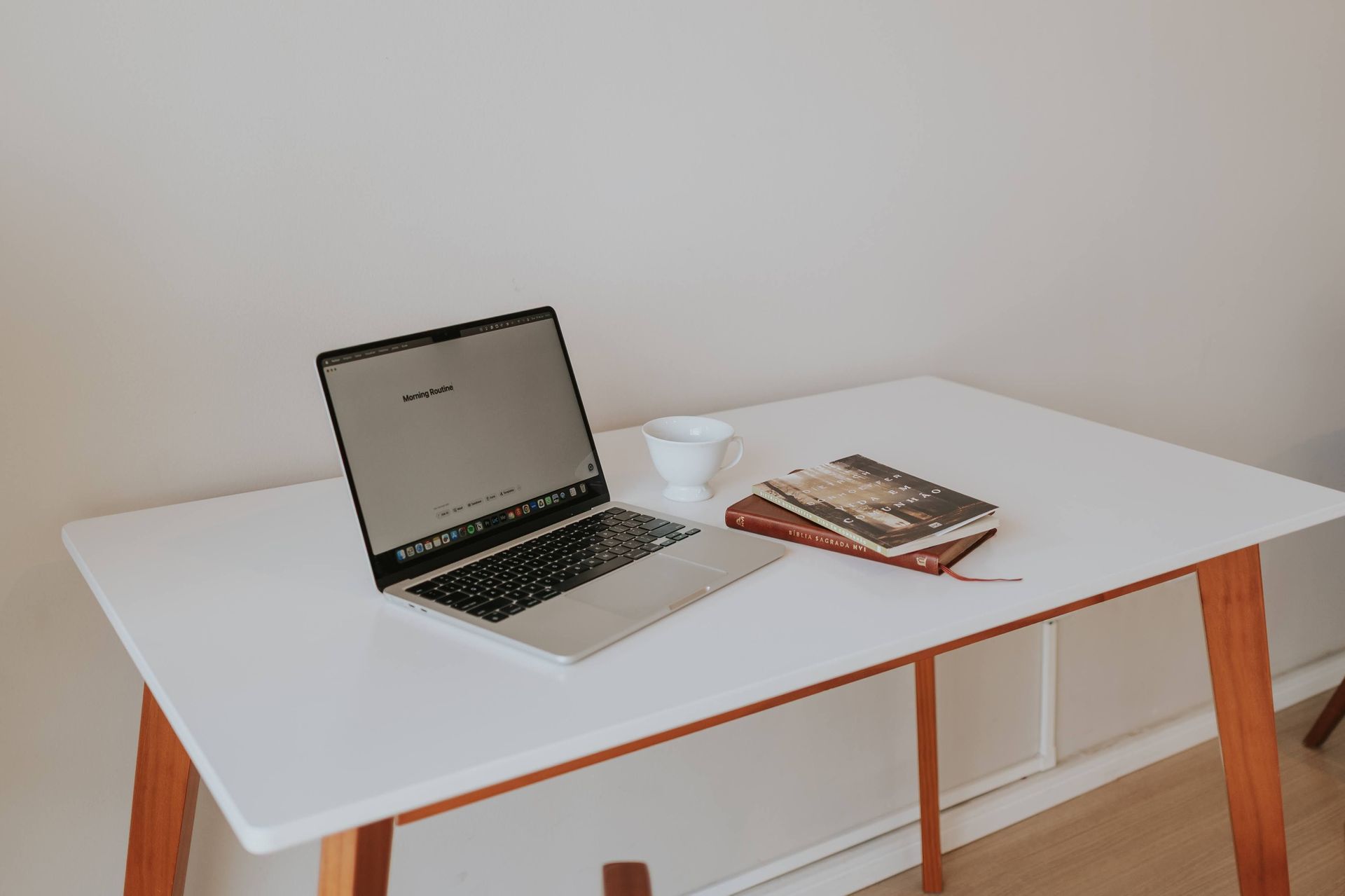
Discover how busy professionals can optimize their home office to support physical activity, reduce prolonged sitting, boost productivity, and improve long-term health using evidence-based strategies, movement-friendly workspace design, exercise snacks, walking meetings, and practical fitness habits.
Discover the neuroscience of impulse control and how mindfulness can help you pause before reacting. Learn how a small break can reduce impulsive decisions, strengthen self-control, and improve emotional regulation using evidence-based psychological strategies.
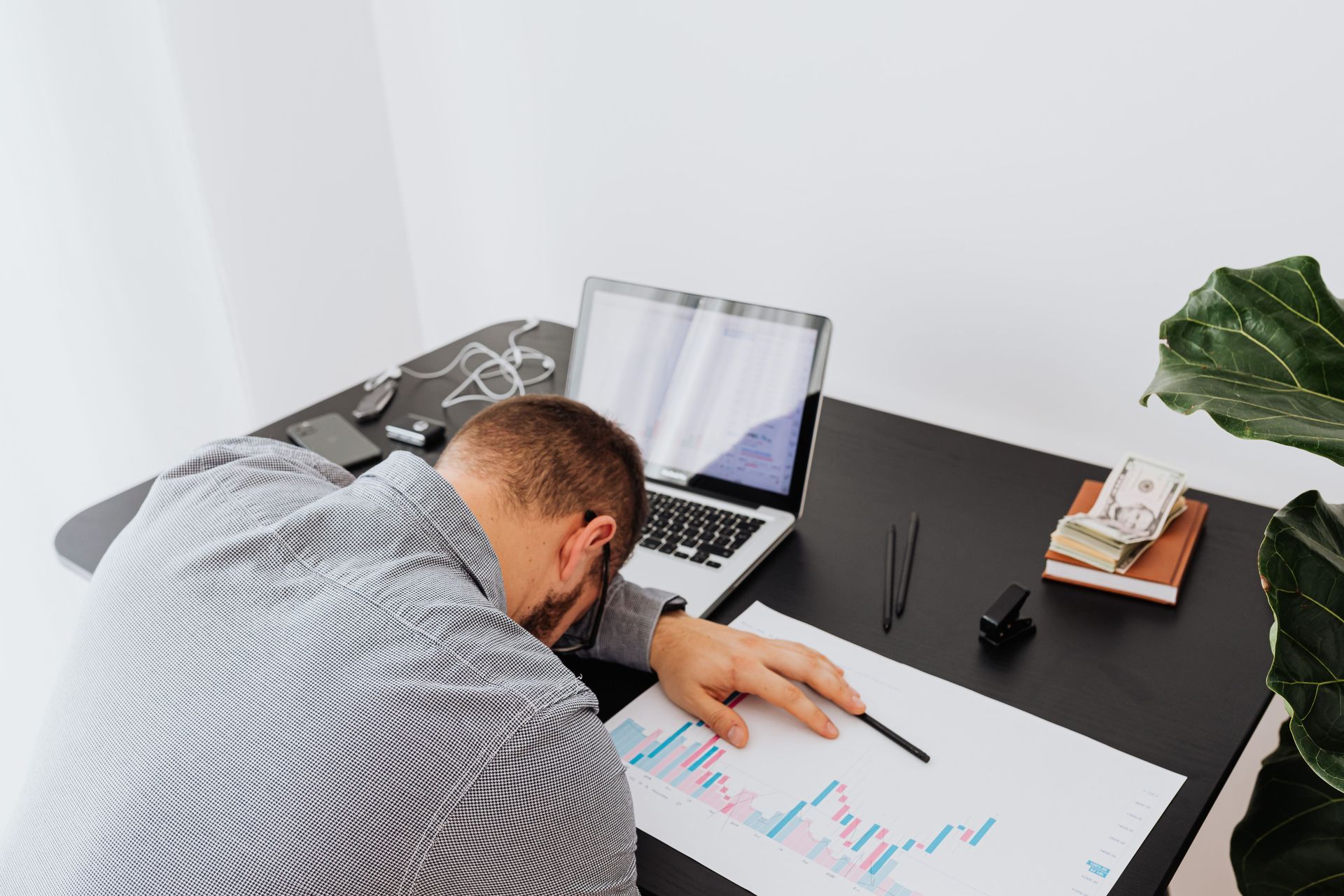
th, time management, and a strong identity beyond work. Discover practical strategies to prevent burnout and create sustainable long-term well-being.
Discover how boundaries, autonomy, workload control, and digital disconnection reduce stress, improve recovery, and prevent burnout.
Learn how to recover from burnout by rewiring your brain and nervous system. Discover science-backed techniques including breathwork, mindfulness, exercise, cognitive restructuring, psychological flexibility, and motivation rebuilding.
Learn the science of recovery, why scrolling isn't rest, how sleep repairs the brain, and why weekends alone don't cure burnout.
Burnout is more than stress. Learn how chronic burnout impacts mental health, heart health, immunity, cognition, and overall well-being.
Burnout doesn’t happen overnight. Learn the early warning signs—mental, physical, and behavioral—so you can catch burnout before it takes control.
Feeling exhausted but work isn’t the problem? Learn how life burnout happens and why your daily responsibilities may be draining you.
Think burnout is just stress? Discover how your thoughts, habits, and mindset may be silently driving your exhaustion.